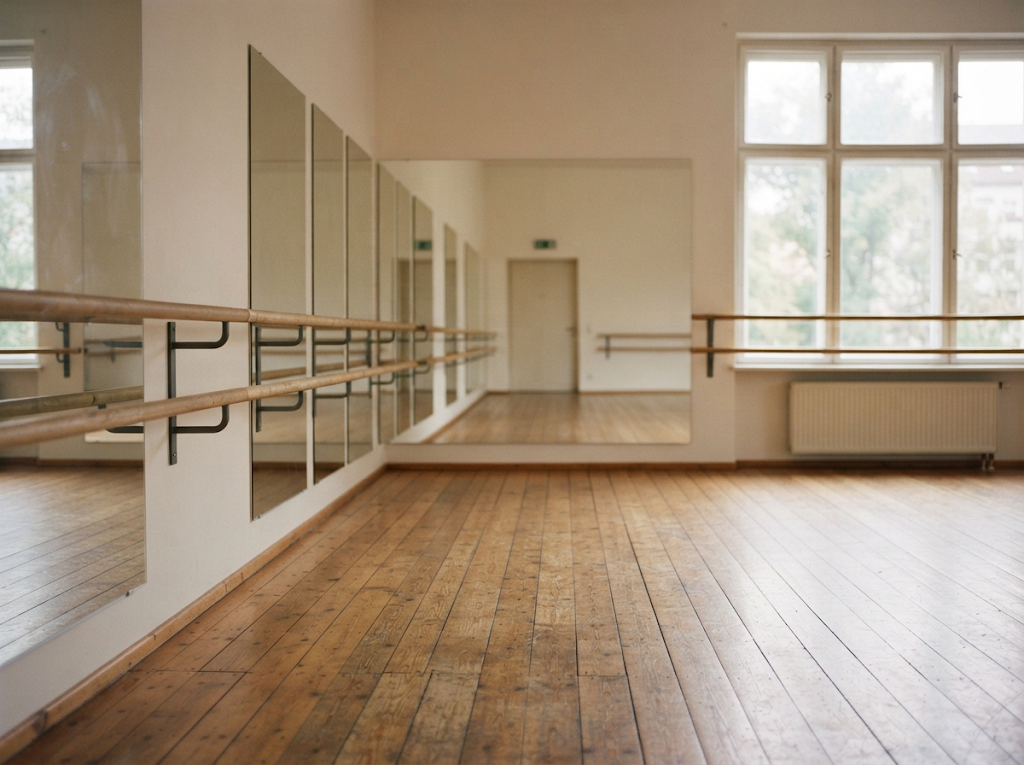
For many young dancers around the world, the dream begins with a video of a Russian ballet school, where children in grey leotards practise at the barre for hours under the eyes of teachers who trained in a tradition that goes back to the eighteenth century. Today, academies in Saint Petersburg, Moscow, Perm and Novosibirsk receive applications and enquiries from families in Britain, the United States, Japan, Italy and Australia. A talented child can be turned away not because of the way she dances but because the audition form, the medical certificate or the school report could not be understood by the admissions office. This article explains how Russian ballet schools and the families who apply to them can manage the paperwork in English and Russian with confidence.
The Documents Behind an Application
An application to a dance academy usually requires a form, photographs, a video, a medical report, school records, a birth certificate, a letter from the current teacher and, for foreign students, a passport and visa documents. Each item has a purpose, and each must be readable by the person who decides. Missing or confusing papers slow down the process and sometimes close the door altogether.
Medical Reports and Physical Assessment
Dance schools take health seriously. They ask for records of height, weight, flexibility, previous injuries, vaccinations and heart or bone conditions. A medical report in English must be translated with great care, because anatomical terms and measurements are exact. Do not convert units on your own. Keep the original values and add the converted ones in brackets, with a note about who did the conversion.
Choosing a Provider for Official Documents
Families often discover that schools want official versions of certificates and school reports. A provider of russian document translation can prepare these papers, add the required statement of accuracy and keep names spelled the same way in every file. Spelling matters, because the name on the passport, the birth certificate and the application must match. Ask whether the translator uses the transliteration standard required by the authorities of the country concerned.
Teacher References and Reports
A letter from a teacher describes talent, discipline and potential. Russian letters can sound formal or poetic, and a literal English version may seem strange. Ask the teacher to write with facts: how many years the student has trained, which roles she has danced, which competitions she entered, how she responds to correction. The translator can then keep the meaning and the sincerity. The Royal Ballet School publishes information about training and auditions at royalballetschool.org.uk, which can help families understand what schools expect from applicants.
Visas, Residence and Official Letters
Foreign students need study visas and residence permits, and the process often asks for criminal record checks, proof of funds and letters of invitation. See our article on police clearance certificate translation for a clear explanation of how such documents are prepared and why the exact wording matters. Start the process early, because certificates can take weeks to obtain and may expire before the school year begins.
Daily Life in the Boarding School
Many academies have boarding houses, and parents want to know about food, supervision, hours of study and contact with home. Rules and daily timetables should be written in English as well as Russian, with a clear list of what to bring. A short guide for new students, with a map and a list of useful phrases, helps children feel at home in the first weeks.
Contracts, Fees and Insurance
Schools sometimes charge fees for foreign students, and contracts include terms about attendance, injury, insurance and withdrawal. Read every clause. If you do not understand a term, ask for a plain explanation in writing before signing. Parents may want a lawyer to review the English version, since a contract signed in haste can cause trouble later.
Auditions, Videos and Tours
Many schools hold auditions abroad or accept recorded videos. The instructions for filming, the music, the clothing and the exercises must be followed exactly. Write down the instructions in English and check each one before recording. For tours and masterclasses, schools prepare programmes and schedules, which should be available in both languages, with names of teachers and times for each class.
Communication with Parents
Once a student is admitted, regular news matters. Reports on progress, health and behaviour should be clear and kind. Use short sentences and avoid terms that may be understood in different ways. When there is a problem, a phone call with an interpreter is better than a long email. A careful tone builds trust between parents and teachers over the years.
Preparing for the Next Step
After graduation, dancers need diplomas, references and portfolios for companies abroad. Keep a folder with certified versions of every important paper, and update it each year. A dancer who can show clear, correct documents in English can go to an audition anywhere in the world with the same poise she shows on stage.